Step 01
Place it.
Place the Squedgie on a hard surface, then gently set your foot atop — under your arch, toes gripping, just before the heel, or wherever your foot is curious.
Squedgies are soft silicone foot wedges that bring more sensation, space, and play to your foundation.
Launching soon on Kickstarter.
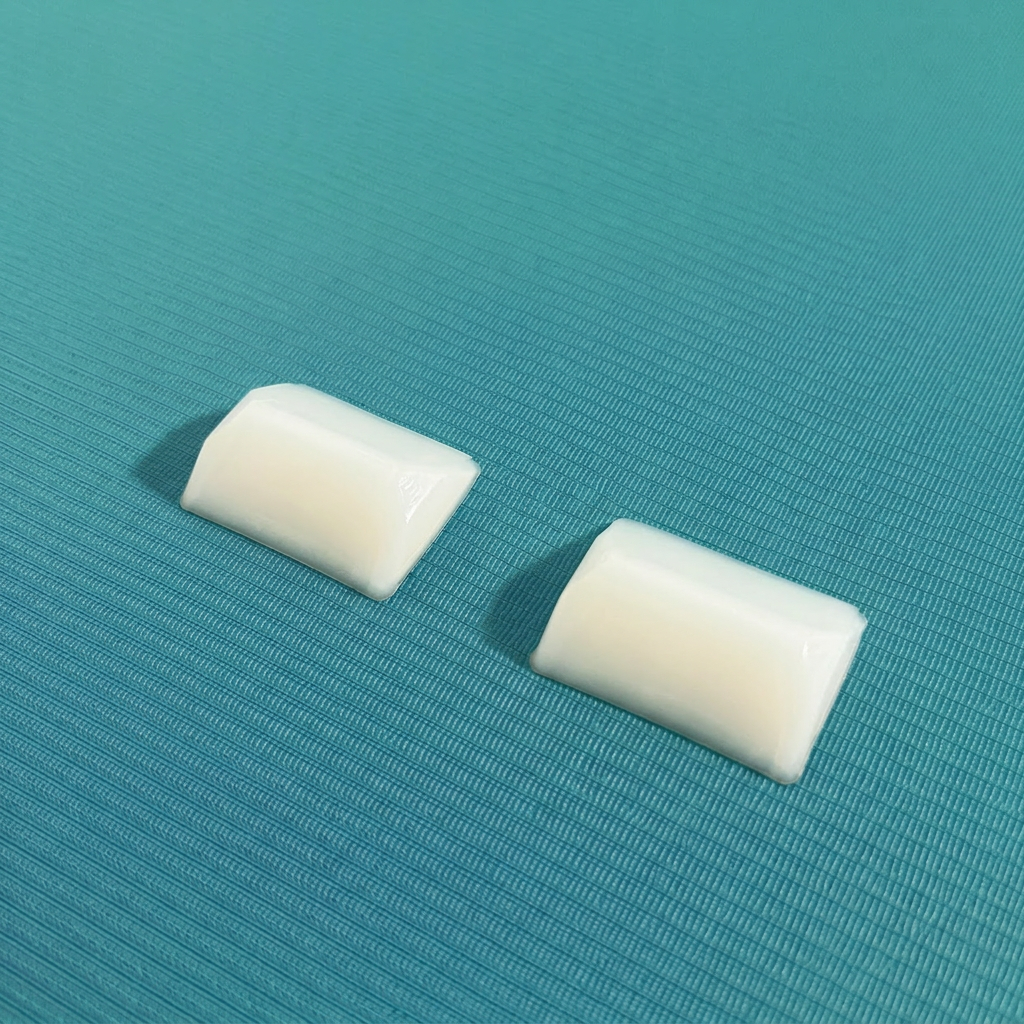
What are Squedgies?
Place them between your toes, under your arch, or beneath different parts of your foot to explore pressure, balance, squeezing, spreading, and sensory feedback.
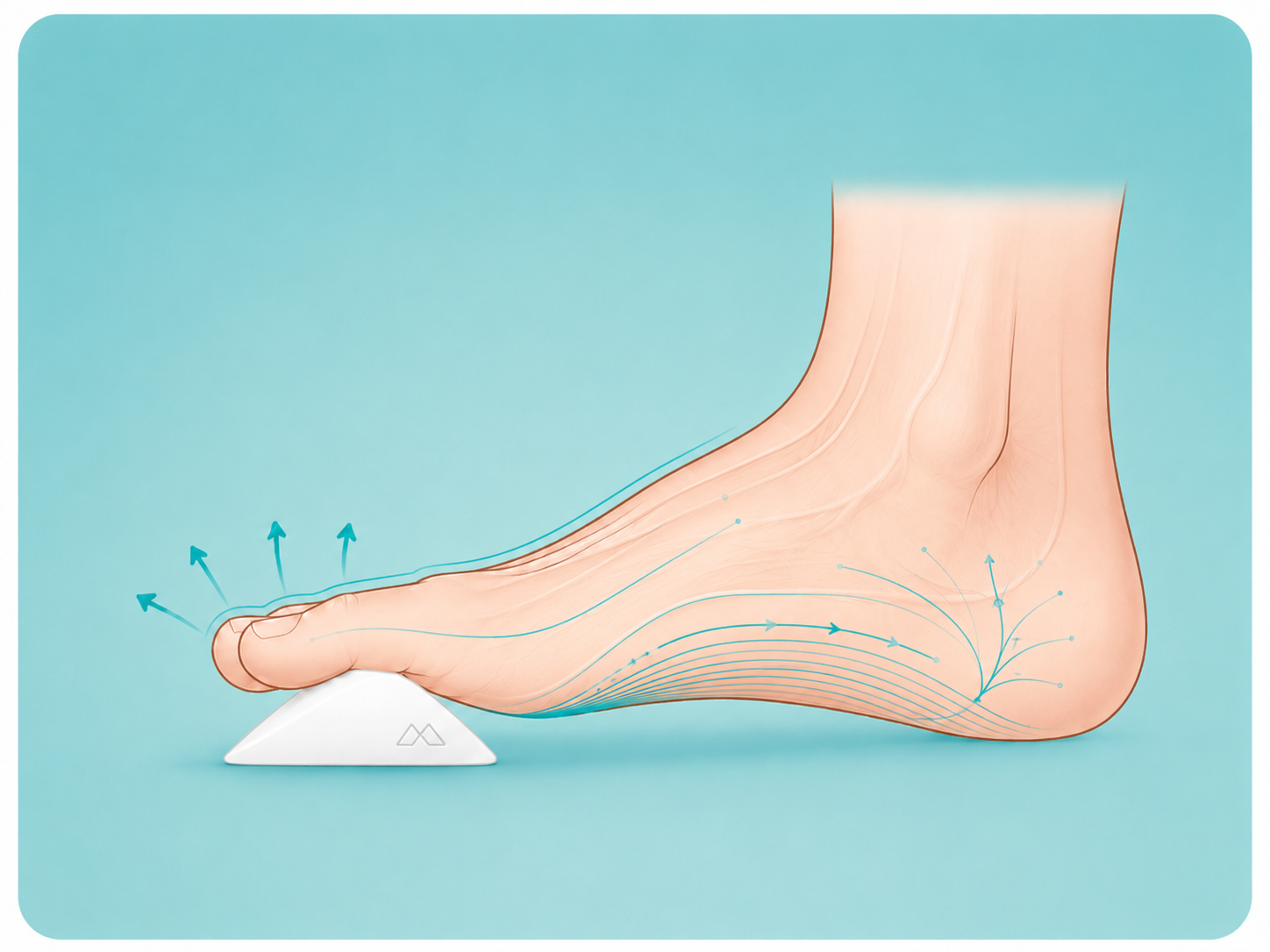
Under the toes
Slip a wedge beneath the forefoot to invite spread, squeeze, and articulation through the toes.
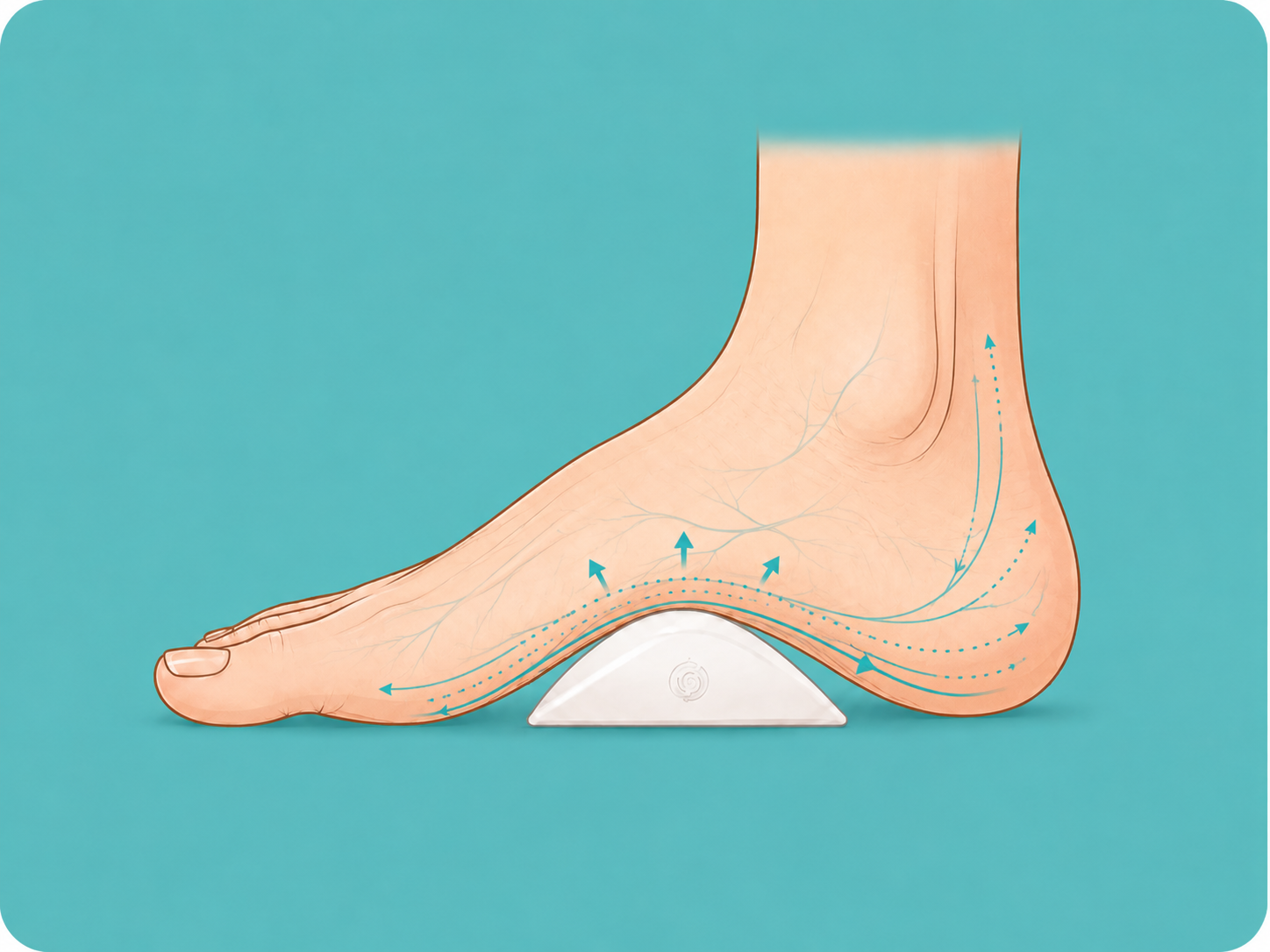
Under the arch
Nest it into the medial arch for gentle adaptive pressure and a wake-up call to the midfoot.
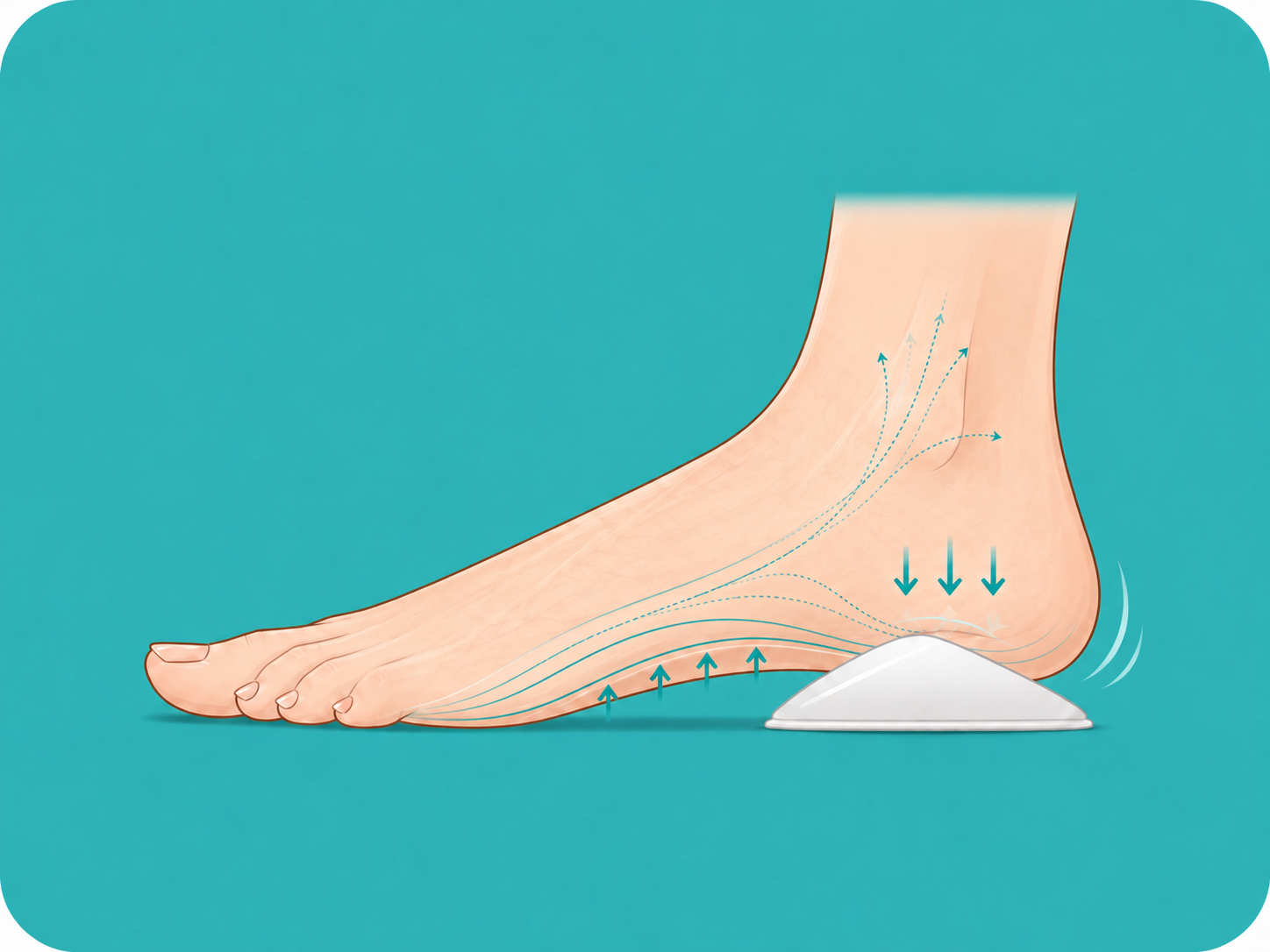
Under the heel pad
Tuck one under the heel to explore weight, pressure, and balance from the back of the foot.
How it works
Use Squedgies for toe spreads, toe squeezes, arch pressure, balance practice, and a few quiet minutes of barefoot exploration.
Place the Squedgie on a hard surface, then gently set your foot atop — under your arch, toes gripping, just before the heel, or wherever your foot is curious.
Let your body weight settle. Notice spread, squeeze, pressure, and the parts of your foot that suddenly have something to say.
Shift, sway, balance, walk a few steps. Small movements with sensation create big shifts in awareness.
What happens underfoot
The triangular form nests into the medial arch and gives your foot something soft to read. Tense tissues can relax into the trusted shape of the wedge. As weight settles, tissue glides, the arch adapts, and the whole foundation feels secure and a little more awake.
Benefits
A quick sensory nudge to bring more aliveness to a part of the body that mostly hides in shoes.
Place them between toes or under the forefoot to explore spread, squeeze, and articulation.
Soft silicone gives your foot something to notice — pressure, contour, and a little resistance.
Stand, sway, and shift weight to play with proprioception from the ground up.
Use cases
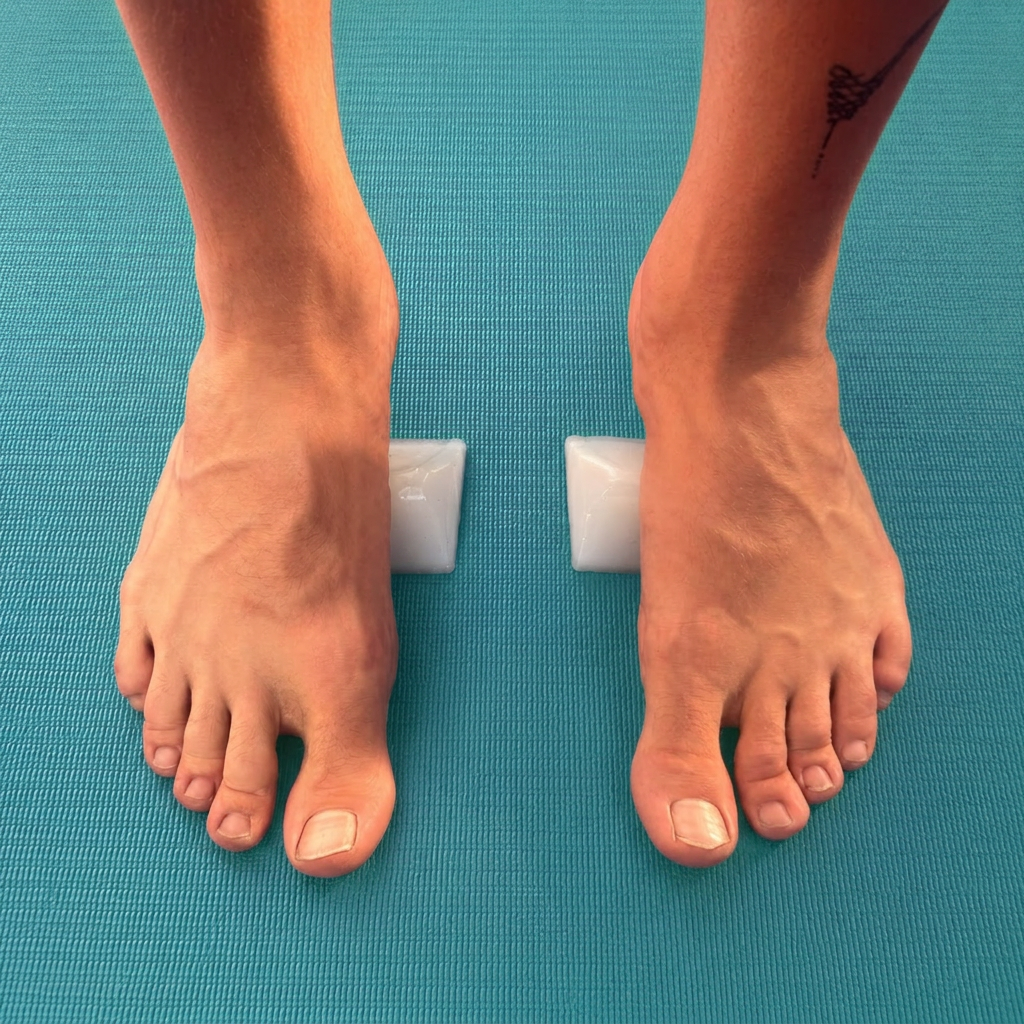
Leave a pair by the mat, the desk, or the door. A minute here, a minute there, and your feet will be ready to take you wherever you want to go.
Join the early access list for launch updates, Kickstarter pricing, and first access when Squedgies go live.
FAQ
Squedgies are soft silicone foot wedges designed to bring more sensation, space, and playful movement into your feet.
You can place them between your toes, under your arch, or beneath different areas of the foot to explore pressure, squeezing, spreading, balance, and sensory feedback.
You can even bring them into traditional workouts and fitness routines for a little extra support underfoot.
Kind of — but they're more versatile than traditional toe separators.
Squedgies can be used for toe spreading, toe squeezing, arch pressure, foot warmups, balance practice, and quick barefoot movement snacks.
Start simple. Place a Squedgie between your toes, under your arch, or beneath the ball of your foot. Then gently breathe, shift, squeeze, spread, stand, or move.
The goal is to explore sensation and build a clearer connection with your feet — not to force anything.
Squedgies are for anyone who wants to feel more connected to their feet.
They're especially useful for barefoot movers, yogis, dancers, athletes, walkers, desk workers, bodyworkers, movement coaches, and anyone curious about foot strength, mobility, balance, and body awareness.
Squedgies are the second invention from founder Matt Cannon, creator of Flow Bands.
Matt struggled with ankle mobility for most of his life, which made foot strength, adaptability, and body awareness deeply important to him. Along the way, he realized there had to be a kinder, more playful way to work with the feet than grinding into them with a hard lacrosse ball.
Squedgies were created as a softer, more versatile tool for exploring pressure, toe movement, arch awareness, and foot adaptability from the ground up.
No. Squedgies are made from soft silicone, so they provide tactile pressure without the harshness of a hard ball.
They're designed to feel approachable, grippy, and responsive — firm enough to give feedback, but soft enough for gentle daily exploration.
Yes, Squedgies are designed for barefoot use and gentle standing pressure.
Start slowly, use a comfortable amount of weight, and let your foot adapt gradually. You can also use them seated if you want a lighter starting point.
Squedgies are launching soon on Kickstarter.
Join the early access list to get launch updates, early-bird pricing, and first access when the campaign goes live.
Squedgies are designed to support:
They are not intended to diagnose, treat, cure, or prevent any medical condition.
A few minutes at a time is a great place to start.
Use Squedgies as a quick foot warmup, a desk movement break, part of a barefoot practice, or a simple daily ritual to reconnect with your foundation.